Access to safe drinking water is a fundamental human right. However, according to United Nations data, approximately 2 billion people lack access to safe drinking water, and over 4.2 billion—more than half the global population—do not have access to adequate sanitation services that properly manage human waste.
Improving access to clean water, sanitation, and hygiene could prevent an estimated 400,000 child deaths each year due to diarrheal diseases, particularly among those under five years old.
In many parts of the world, particularly in developing countries such as Niger, Chad, Ethiopia, Eritrea, and Somalia, safe drinking water remains a scarce resource, with only a tiny portion of the population able to rely on secure sources.
The situation is equally dire in Haiti, where the shortage of drinking water is compounded by ongoing humanitarian crises and violence, prompting the United Nations to call for international intervention.
The root causes of this global crisis are multifaceted: in some areas, frequent droughts render water resources nearly unreachable, while in others, the lack of adequate infrastructure severely restricts access to clean water, leading to dire health consequences.
Goal 6 of the United Nations 2030 Agenda for Sustainable Development is globally dedicated to ensuring universal access to safe drinking water and sanitation.
Andrea Bocelli Foundation Initiatives
In Haiti, access to safe drinking water remains an urgent challenge. Over 9 million people lack reliable access to clean water, and much of the water infrastructure in the capital, Port-au-Prince, was destroyed during the 2010 earthquake.
This situation heightens the risk of diseases like cholera and other epidemics linked to poor sanitation.
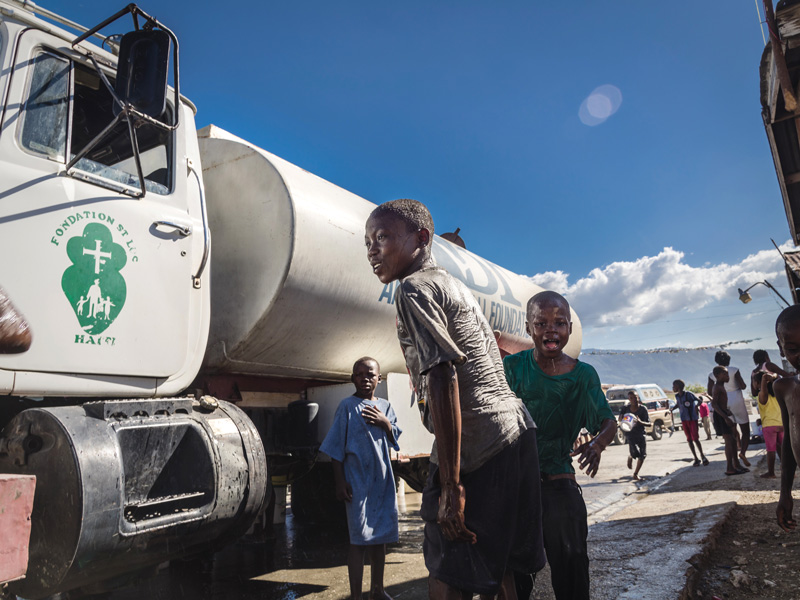
In response, the Andrea Bocelli Foundation (ABF), in partnership with the Haitian nonprofit St. Luke Foundation, launched the ABF Water Truck project.
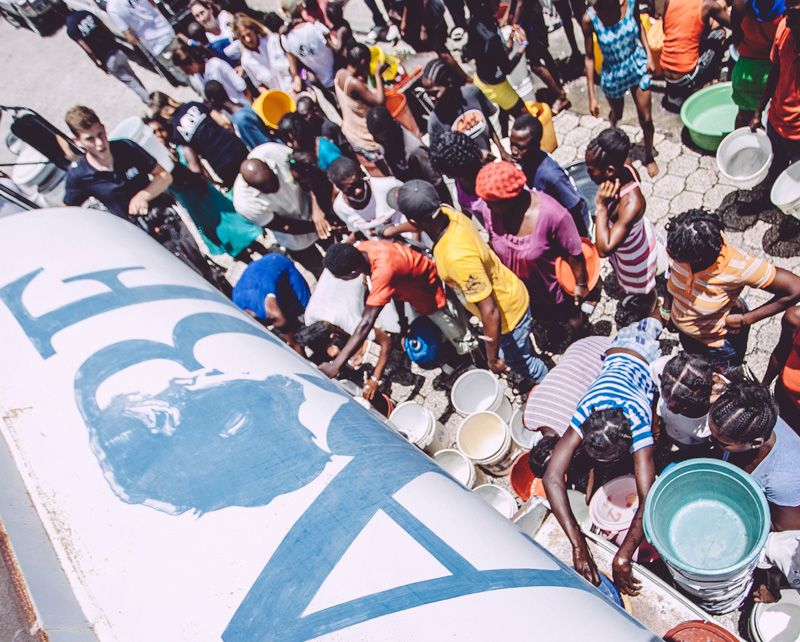
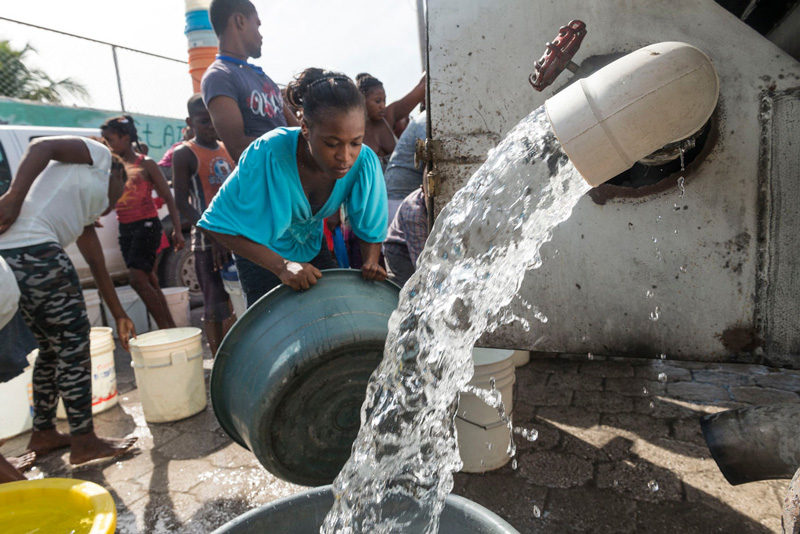
Since 2013, ABF has supported a water truck that delivers drinking water to the slum of Cité Soleil three times a day, six days a week.
Recognizing the growing need for water access, the Foundation expanded its efforts in 2014, adding a second truck to double its distribution capacity.
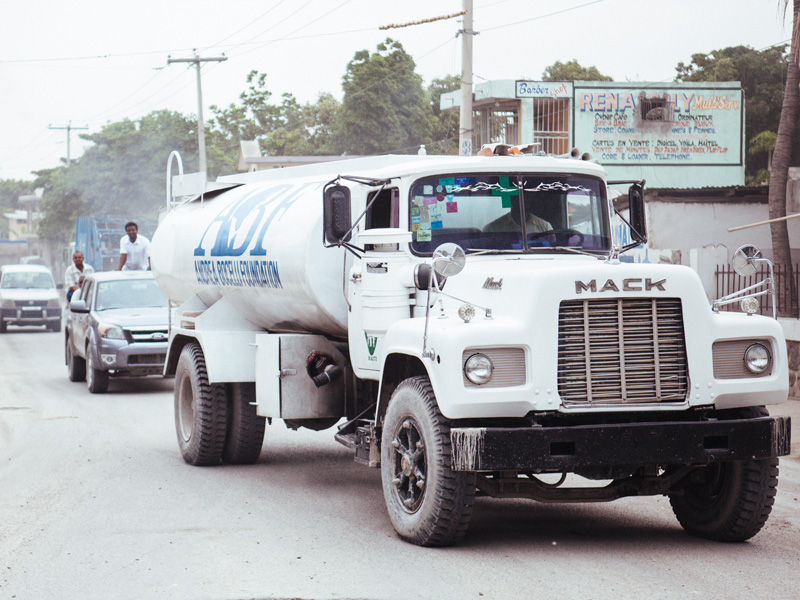
Today, ABF’s water trucks deliver 24,000 gallons daily to over 400,000 people in Cité Soleil.
The decision to use mobile water trucks for distribution is strategic. These mobile units help protect water resources from being taken over by local gangs, which could otherwise seize control of fixed infrastructure, such as wells or fountains, and impose illegal fees on residents, making access even more difficult for vulnerable communities.
The Andrea Bocelli Foundation aims to improve hygiene and sanitation, reduce the transmission of infectious diseases, and prevent dehydration-related deaths. It also aims to provide these communities with tangible opportunities for empowerment.
Providing access to drinking water improves living conditions and allows individuals and communities to build a more dignified and sustainable future for generations to come.